



Relitti | Veri Musei Sommersi | Venezia
Benvenuti nel Cuore Sommerso dell’Adriatico Dimentica l’idea di un mare monotono. Il Nord Adriatico è un ecosistema resiliente e spettacolare, un palcoscenico dove la storia e la natura si incontrano in uno spettacolo di colori e biodiversità. Il nostro fondale è una cronaca storica: dal [testo coperto/illeggibile] cacciatorpediniere come il Quintino Sella e l’SS88, fino ai moderni mercantili come il Vila e il Vurmac. Immergersi qui è un viaggio nel tempo: relitti maestosi che, col passare dei decenni, si sono trasformati in reef artificiali dove regnano astici e gronghi.
Esplora tutti gli spettacolari Relitti

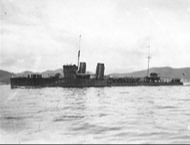
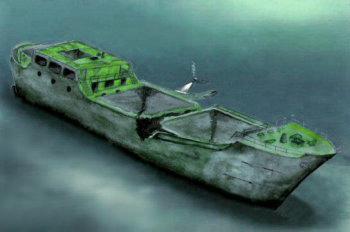
Flying the flag of the Antilles, the ship, with a length of 100 meters and a net tonnage of 1,437 tons, was navigating in fog when it was rammed on the port side by the cargo ship PHILIPPOS, causing it to sink.
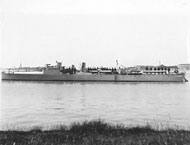
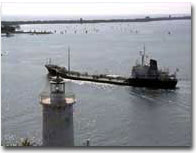
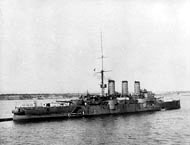
Launched in 1908 by the Odero shipyards in Genoa, it was 140 meters long, 21 meters wide, and weighed 9,832 tons when fully loaded. The term "Armored" comes from the fact that it was surrounded by a nickel-chromium steel protection up to 20 centimeters thick.
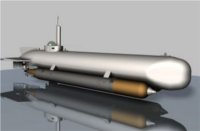
The bay during World War II was a naval base for seaplanes and the entire Trieste coastline was militarized with loading ramps and submarine support bases, with shelters in tunnels carved into the rocks to protect them.
Diving on the wrecks off the Venice harbor entrances
Diving on the wrecks off Jesolo and in the Gulf of Venice is an experience that goes far beyond simple underwater observation; it is a journey suspended between history, mystery, and a powerful nature reclaiming its spaces.
Here is what makes these dives so magnetic:
Time Capsules in Mud and Sand
These hulls are not just old iron. The Quintino Sella or the SS88 are fragments of military and civilian history resting in an environment that preserves them almost jealously.
Descending into the “green” of the Adriatic and gradually seeing the silhouette of a torpedo boat or the remains of a scattered cargo appear gives the feeling of being an archaeologist of silence.
Every tear in the metal sheets tells a story of storms or battles.
Oases of Life in the Desert
The seabed of the Northern Adriatic is predominantly sandy, a uniform expanse that makes wrecks such as the Vila or the Vurmac true “islands of life”.
As soon as you approach the structure, biodiversity explodes:
The Guardians
Large conger eels and majestic lobsters that have made the pipes and metal sheets their castle.
Silver Clouds
Dense schools of damselfish and groups of brown meagre dancing among the structures, disappearing and reappearing through the openings of the wreck.
Unexpected Colors
The iron structures are completely covered with sponges, coelenterates, and anemones that, under the light of the torch, reveal vibrant reds and oranges you would never expect to find here.
The “Suspended” Atmosphere
The Adriatic often offers a dreamlike atmosphere. The light filtering through water that is less clear than in the tropics creates a play of shadows and chiaroscuro that makes the wreck structures appear both monumental and ghostly.
There is no blinding glare of a coral reef, but rather a sense of soft discovery, where every detail — a bollard, a piece of engine, or old tableware from the cargo — suddenly appears out of nowhere.
The Charm of the Unknown — Lost Cargoes
Exploring the so-called “lost cargoes” on unknown ships touches the deepest chords of a diver.
It is the pure curiosity of understanding what they were carrying, who those ships belonged to, ships that the sea decided to keep.
It is an investigative dive, where the eye must search among the debris to catch sight of familiar shapes transformed by time.
In short, diving here means accepting the challenge of a sea that does not reveal itself immediately, but rewards those who know how to observe patiently, offering one of the most intimate and authentic diving experiences in the entire Mediterranean.